


Search Engine Optimization (SEO) is often viewed as a technical game. These technical components are fundamental, but they are just half the battle. These technical parts are important, but they are only half of the struggle. Google’s algorithm is meant to help people, not algorithms. By modeling human judgment, it tries to deliver the most pertinent, beneficial, and reliable outcomes.
This means that you need to comprehend the person behind the screen in order to actually succeed in the search outcomes. This is where SEO psychology comes into play. By analyzing how users think, feel, and make decisions, marketers can develop strategies that meet algorithmic needs as well as human curiosity.
At Webugol Agency, we believe that the most successful SEO campaigns aren’t just about code; they are about connection. Today, we’ll look at the connection between psychology and SEO and provide you with useful tips on how to improve your search engine rankings by putting the user’s thinking first.
What is Search Engine Optimization Psychology?
The use of psychological concepts in search engine optimization strategies is known as SEO psychology. To do this, you need to know what makes a user search for something, click on a result, and interact with a page.
In the past, SEOs attempted to “trick” the system. Today, that is nearly impossible. To figure out user satisfaction, modern algorithms employ sophisticated machine learning. If someone clicks on your link but then leaves right away because the information didn’t meet their psychological demands, your rankings will go down. On the other hand, search engines will reward you if your content connects with them, addresses their concern, and fosters trust.
The connection between human behavior and algorithms is direct:
- Algorithms track engagement
- Humans drive trends
- Satisfaction signals relevance
These are the main psychological ideas that guide both psychology and SEO strategies:
- Motivation: What motivating factors led the person to access Google? (e.g., curiosity, fear, and the urge for an answer).
- Perception: What do people think about your brand based on your title tag and meta description?
- Decision Making: Why does a user choose one search result over another?
- Gratification: Does the content give the consumer the immediate satisfaction or solution they were looking for?
The Role of User Intent in SEO Psychology
User intent (or search intent) is the “why” behind the search. The user has a mental goal in mind when they type a question. Misunderstanding intent is the most common reason for high bounce rates. If your content doesn’t match the user’s mental state, it won’t work, even if you have the best keyword optimization in the world.
Defining Search Intent Types
You must group questions into three primary categories to match your content to user needs:
- Informational Intent: The user wants to learn something or has a question. They are doing research.
- Navigational Intent: The user knows where they want to go and is using Google as a shortcut.
- Transactional (or Commercial) Intent: The user is ready to buy or is looking at a few options.
SEO Psychology: Aligning Content for Better Outcomes
Cognitive friction is decreased when you align your content with these intents. Don’t send a lot of sales pop-ups to someone who only needs a brief definition (Informational). This mismatch creates frustration. If a consumer is ready to purchase, do not force them to read a 2,000-word product history.
Key Takeaways for Aligning Intent:
- Analyze the SERPs: Take a look at the top ranking results. Are they blogs, product pages, or videos? This shows Google’s perception of user intent.
- Match the Format: If users want a listicle, give them a listicle. If they want a calculator, give them this tool.
- Satisfy the Need Quickly: Put the most important information at the top of the page so that the user can quickly get the answer they need.

Cognitive Biases and Their Impact on SEO
Cognitive biases are systemic mistakes in reasoning that influence people’s judgments and conclusions. In terms of psychology and SEO, these biases have a big effect on which links people click on and how they see your content.
Common Cognitive Biases in Search
- The Anchoring Heuristic: People tend to depend largely on the “anchor”—the first piece of information they perceive. The first result on Google can often be the best one in SEO. If your score is lower, you will need to put in more effort to demonstrate value.
- Availability Heuristic: People believe the knowledge they have access to is more important than it really is. Based only on visibility, consumers will consider you to be a market leader if your brand is regularly displayed in search engine results pages for different keywords.
- Social Proof: People try to act in a certain way by copying what other people do. Positive reviews and high search snippet star ratings are significant signals.
SEO Psychology Strategies for Leveraging Biases
You may correctly use these biases to boost your click-through rates (CTR) and engagement on your page:
- Leverage Anchoring in Pricing: List the more expensive “Premium” option first if your pricing page has one. This makes the next option, “Standard,” look like a wonderful value.
- Utilize Social Proof in Meta Data: To show star ratings right in the search results, use schema markup. A 4.8-star rating is a mental shortcut that says, “Other people trust this, so I can too.”
- Scarcity and Urgency: Using phrases like “Limited Time” or “Only 3 Spots Left” in transactional queries causes FOMO, which speeds up decision-making.
The Impact of Emotions on Search Behavior
Logic may make people think, but emotion makes them act. The emotional state of a searcher dictates their behavior.
Emotional Triggers in Headlines and Content
Your title tag is the first (and sometimes only) chance you get to make an emotional connection. Your headline might be overlooked in favor of a competitor with a stronger emotional impact if it is dry and only serves a practical purpose.
How Trust and Credibility Influence Rankings
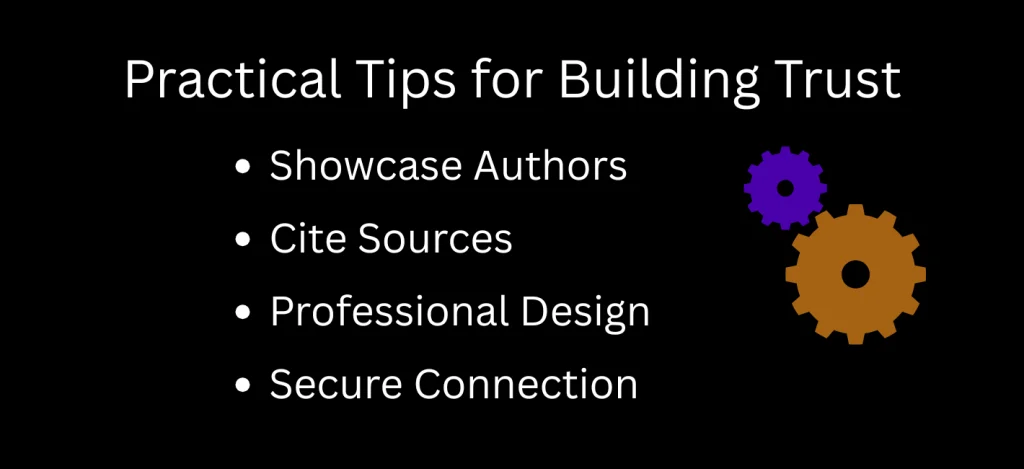
In the world of SEO psychology, trust is the currency. Google uses E-A-T (Expertise, Authoritativeness, and Trustworthiness) to measure this specifically. You won’t be able to rank for competitive terms if people and Google don’t trust your website.
The Psychology of E-A-T
Trust is a mental state of relying on someone. When a user lands on your page, they make a split-second judgment: “Is this safe? Is this accurate?”
- Authority: People search for authority badges. This includes specific credentials, awards, or associations.
- Social Validation: Backlinks function as “votes” from other websites. If a reputable site links to you, people (and Google) give you that site’s reputation.
- Transparency: Anxiety over fraud or false information is decreased by author biographies, privacy rules, and clear contact information.
User Experience (UX) and Its Psychological Impact on SEO
There is a strong correlation between user experience (UX) and SEO psychology. SEO is concerned with making that route discoverable, whereas UX is concerned with the user’s experience and enjoyment. When a site has bad UX, it annoys the user, which causes “pogo-sticking,” where a user clicks on your result, doesn’t like it right away, and then clicks back to get a different result. Google notices this behavior and demotes your rankings.
Key UX Factors
- Site Speed
- Mobile Friendliness
- Visual Hierarchy
The Psychology of Content and Its Impact on SEO
Great content resonates on a human level. If you want to know what makes content stick and what makes it shareable, you need to understand SEO psychology.
Addressing Needs and Pain Points
The problems that users face are reflected in good content. It understands their needs and tries to satisfy them. When people feel “understood,” they stay on the page for longer.
Analyzing User Behavior with Data
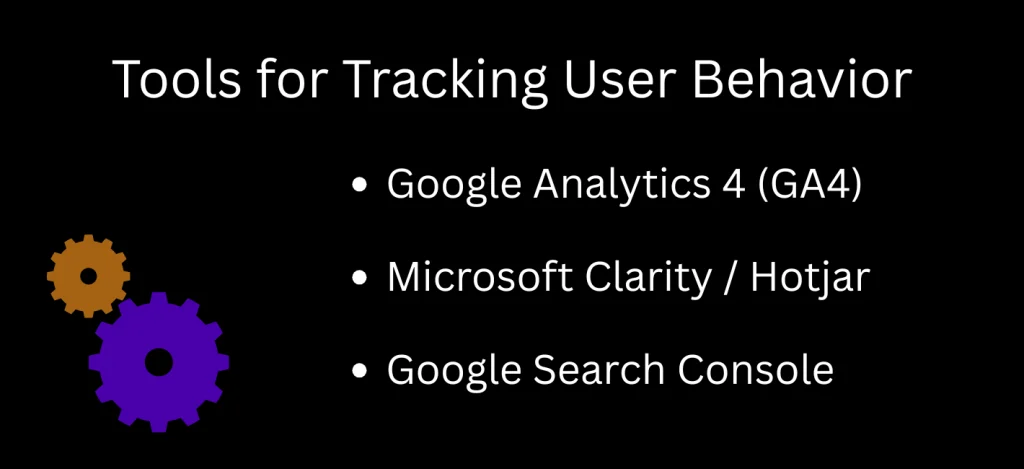
SEO psychology gives us the theory, and data gives us the proof. You have to watch what users are doing; you can’t presume what they are thinking. Google Analytics and heatmaps are tools that let you see how users think.
Interpreting the Data with SEO Psychology
- High Bounce Rate: This suggests a mismatch between expectation (the search result) and reality (the landing page).
- Short Time on Page: It suggests that the information was boring, irrelevant, or too challenging to read.
- Heatmaps: If users are rage-clicking on non-clickable elements, it shows a flaw in your design logic.
FAQ
Where Can I Find Agencies Specializing in SEO Psychology?
Look for digital marketing agencies that emphasize behavioral science, user intent, and psychology‑informed SEO. Agencies with expertise in healthcare marketing are especially valuable if you’re in the medical or wellness field – for example, Webugol Agency, which combines data‑driven SEO with audience insight and serves health & wellness clients.
What Are the Best SEO Software Options That Use Cognitive Science Techniques?
Top options include tools like SurferSEO and CognitiveSEO, which integrate cognitive science principles to analyze user behavior and improve rankings. These tools focus on how search engine algorithms understand user intent.
Which SEO Tools Incorporate User Behavior Analysis for Better Rankings?
Tools like Hotjar, Crazy Egg, and Google Analytics provide insights into user behavior, including heatmaps, scroll tracking, and session recordings. These insights help refine SEO strategies for better ranking by aligning content with user intent.
Conclusion
SEO is no longer just about satisfying a machine; it is about satisfying the human mind. The algorithms have changed to prioritize user experience, relevancy, and trust first.
By integrating SEO psychology into your strategy, you move beyond basic keyword stuffing. You start producing content that is consistent with the goal, makes use of cognitive biases, evokes the appropriate feelings, and fosters enduring trust. You boost your relationship with potential clients in addition to your rankings when you understand the conduct underlying the search.
If you are ready to take a deeper dive into data-driven, psychologically-informed SEO, schedule a consultation with Webugol Agency. Let us help you build a strategy that speaks to both the algorithm and the human.